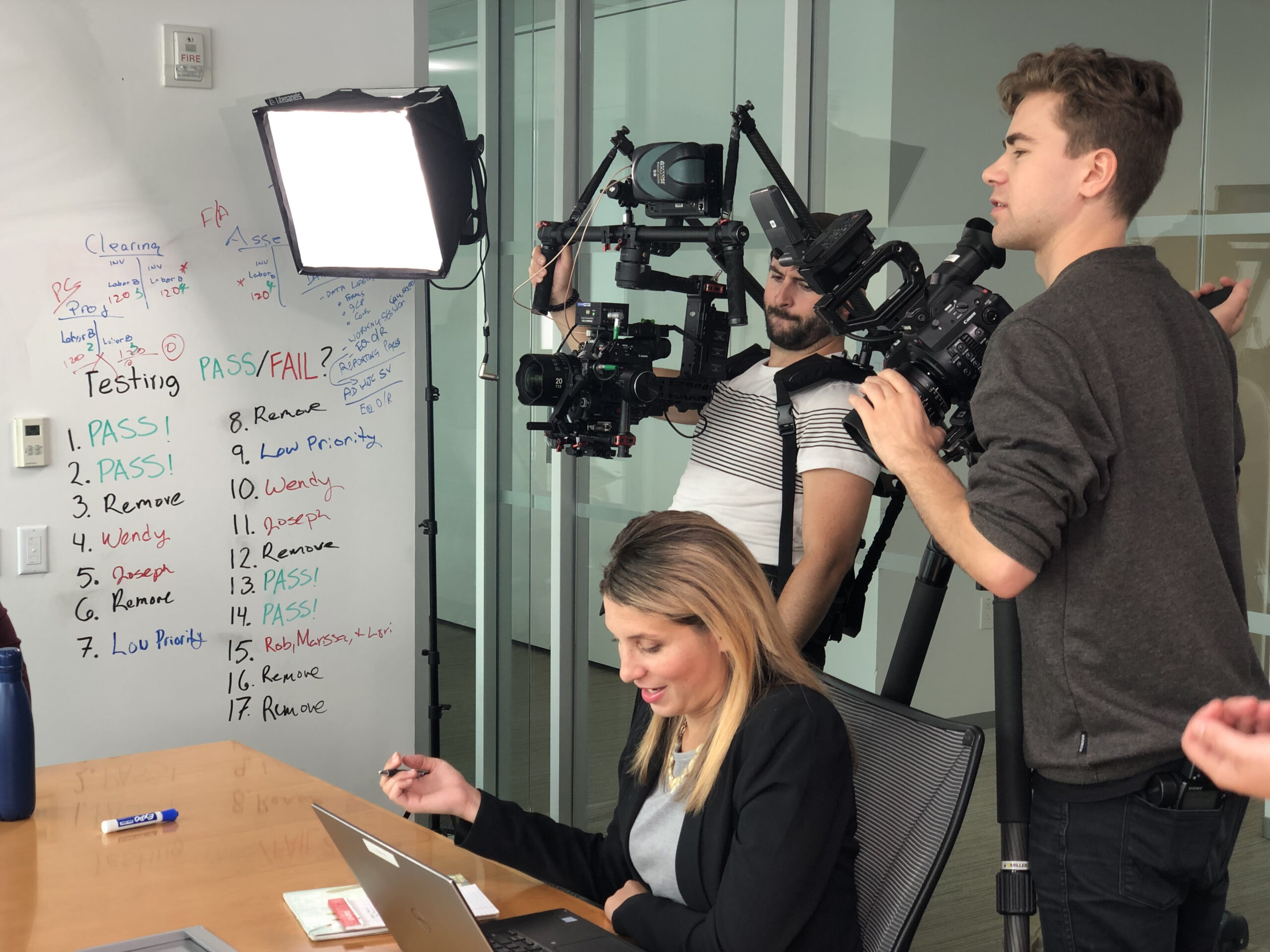
Performing a multi-camera shoot may seem like a good idea to save time and energy. If you use multiple cameras you can get more angles in less time. However, we’ve found out in our video production services that the more elements you add, the more complicated the process. Before going in for multiple cameras at a time, be sure that your crew is prepared for the increased responsibilities. Here are the top five tips for executing a multi-camera shoot.
Think about how much equipment is needed for a single camera shoot. You don’t just have the cameras, but you also have the tripods, dollies, audio, slates, lights, and other miscellaneous equipment. Now consider bringing on a second or third camera unit. That could mean double everything else. We are not trying to discourage anyone when it comes to his or her production choices. All we’re trying to point out is that production is very fragile when it comes to how time and resources are spent. So please be sure to delegate the proper equipment for the crew’s growing responsibilities when working on a multi-camera shoot.
A Multi-Camera Shoot Means Extra Crew
Some crew members can handle a greater amount of equipment. But often enough they require more hands on deck to make sure that the production crew works as fast as it would if they were doing a single camera set up. So in order to compensate, it would be wise to pay for more able-bodied crew. Another option would be to take in young film students as interns for your project. The latter is always a great option for both finding new talent and increasing production value at the same time.
Be Economic with Direction
Directing is tough enough having to making sure every shot is performed properly. But while you are doing a two camera set up, that basically means doing two shots at once. Directors and their production crew need to prepare the set with all of the proper looks as you would for different shots. The Make-up department needs to cover both sides of the actor’s face instead of just one. And finally, the actors need to be prepared to perform for two different audience view-points.
Be Careful With Continuity
On the subject of covering your bases, continuity is even more important in a two camera set up than a single set up. If you break continuity for one shot, that isn’t really a big deal; you can just cut it out or use it quickly so no one notices. But if you shoot an entire scene and then go for a reshoot, everything has to be exactly the same from all angles. If one angle is off, then you just wasted a whole scene with continuity breaks.
Direct Your Performers Properly
This may seem like a no-brainer, but actors need to be just as aware of the multiple cameras as the crew is. Unlike theater acting, Film actors focus their performance on one specific spot (the camera). It seems easy to get the proper side of their performance with one camera, but now that you have two cameras, the actor needs to perform in a way where both angles can get an equal share of the performance. This brings the actor back to the theater technique of broad performance so that everyone in the audience can see them. When it comes to directing these actors, the Director needs to choose whether or not to have a small or a large performance.
For further information on our previous projects (both single and multi-camera) please visit our work page.
ASL Studios · The Many Looks of Studio One Every week someone walks into Studio One and asks the same question: “wait, this is the same room from that other shoot?” It is! Studio One is our largest and most versatile space, and its whole job is to never look like itself twice. A white-out […]
Going Vertical at Fanatics Fest: Building TikTok Shop Collectibles’ Feed with Viral Vision
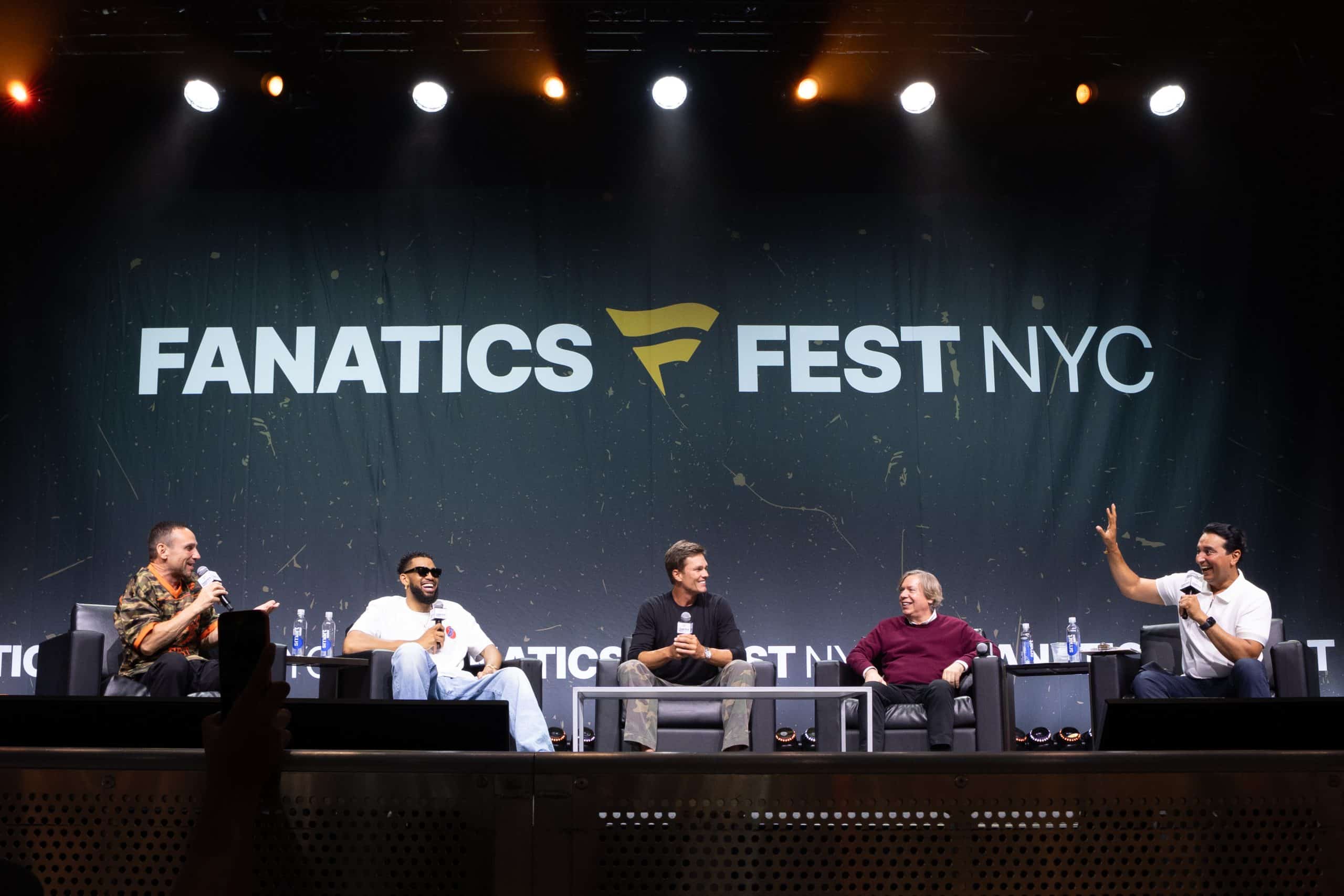
Case Study · Fanatics Fest 2026 · With Viral Vision This July, Fanatics Fest took over the Javits Center for four days of sports, culture, and collecting. Tens of thousands of fans, hundreds of athletes and creators, and seemingly every card, slab, and jersey on the planet under one roof. Our partners at Viral Vision, […]
NYC Webinar Studio: Branded, Multi-Cam, Multi-Destination Webinar Production
Anyone can open a laptop and start a video call. That is not a webinar. A real webinar production looks like a broadcast: a branded set, multiple cameras, programmed lighting, clean audio, live graphics, and a technical producer or team in the control room running the cameras, audio and stream. From our NYC webinar studio […]